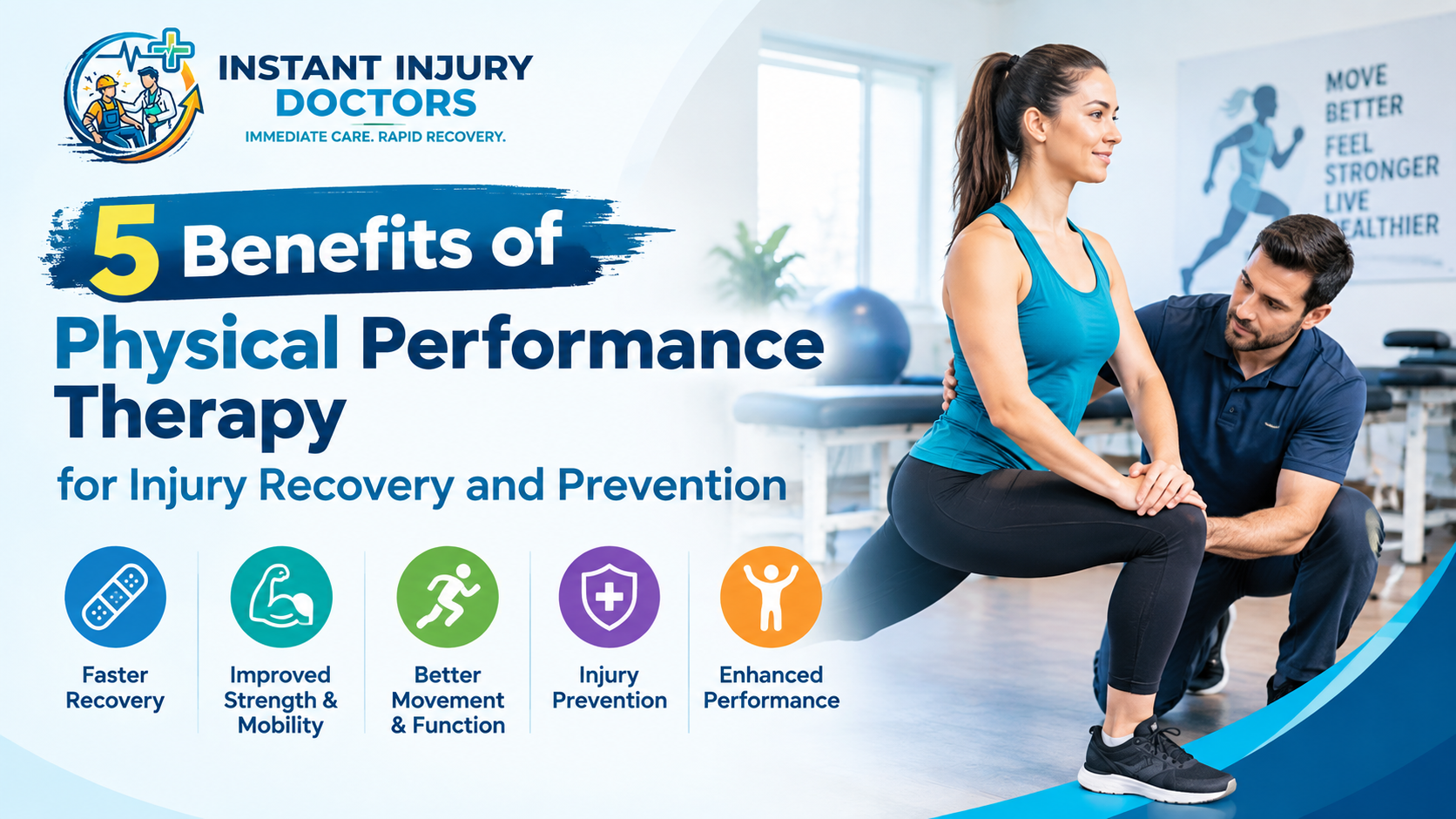
Here’s the thing about getting hurt the injury itself is only half the problem. The other half is figuring out what to actually do about it, because icing your shoulder for two weeks and hoping it fixes itself usually doesn’t work. It just delays the real conversation. That’s basically what physical performance therapy is for. Not the twenty-minutes-of-stretching kind of therapy people picture. More like a real, hands-on process aimed at getting your body back to doing the stuff it used to do walking up stairs without thinking about it, picking up your kid, getting back into your regular gym routine, whatever “normal” means for you.
If you’ve typed “physical therapy New York” into Google at some point because a fall or an old injury just won’t quit, you already know how many options come up and how little most of them explain. So let’s actually get into it what physical performance therapy does, and why it’s worth your time this year instead of just pushing through the pain.
1. You Get Back to Full Function, Not Just “Less Pain”
Most people think recovery means the pain eventually fades and that’s it, job done. But pain fading and your body actually functioning correctly are two very different outcomes. One can happen without the other, which is honestly how a lot of people end up re-injuring themselves six months later. Physical performance therapy is built around the second thing strength, balance, flexibility, and moving normally again without quietly compensating for whatever got hurt.
This shows up a lot after car accidents, weirdly enough. Injuries from a collision don’t always announce themselves right away whiplash and soft tissue strain can take a few days to fully surface, sometimes longer. Which is exactly why people searching car accident physical therapy near me have already got something going on that they just didn’t notice right away. Catch it early and a therapist can usually stop it from turning into a long-term issue miss that window, and you end up managing it instead of actually fixing it.
2. The Plan Is Actually Built Around You
Two people can have the exact same injury on paper and need completely different recovery plans. Age, job, activity level, even how you naturally move all of it changes what “recovery” should look like. This is where something closer to personal best physical therapy makes a real difference actual care built around your body and your goals, not a photocopied rehab sheet handed to every patient that walks in.
In practice, that usually starts with a real assessment not a five-minute glance, but an honest look at your strength and how you actually move. From there the exercises keep changing as you improve; they don’t just sit at the same difficulty for six weeks straight. Manual work gets added in when it’s needed, and someone checks in on you regularly to see if the plan is actually working, instead of just assuming it is because that’s what the schedule says. Doesn’t sound like much on paper, but it adds up.
3. Fewer Pills, and No Rush Into Surgery
Nobody really wants to stay on painkillers longer than they have to, and surgery should be the last option on the list, not the first one anyone reaches for. Physical performance therapy gives your body a legitimate path to healing that doesn’t involve either strengthening the muscles, tendons, and joints around the injury instead of just numbing what’s already there.
There’s also a combined-care angle worth mentioning. Patients working with a physical therapy chiropractor near me often notice pairing alignment work with targeted exercise handles both the structural side and the muscular side at once. Fix the alignment without the supporting strength, or the other way around, and you tend to leave gaps. Doing both together tends to close them faster.
Hurt in an Accident? Start Your Recovery Now.
Same-day appointments available for auto accidents, slip and falls, work injuries, and personal injury. Get expert care today.
4. Workers’ Comp Gets Less Stressful
Anyone who’s dealt with a workplace injury claim while also trying to physically heal knows it can turn into a second job pretty fast. Providers who actually handle workers compensation physical therapy regularly know what documentation the insurance carrier is actually going to ask for, and maybe more importantly how to keep progress notes that don’t fall apart if the case gets pulled up for review six months down the line.
That experience matters more than most people expect going in. It’s the difference between a therapist who just treats the injury, and one who’s also quietly protecting your claim and your paperwork while you focus on actually getting better.
5. It Keeps the Same Injury From Coming Back
This one gets skipped constantly. A lot of people quit therapy the second the pain disappears, which is honestly the worst time to stop, because that’s usually right when the prevention work should be starting. Physical performance therapy doesn’t just patch up what’s hurt right now it looks backward, at why it happened in the first place.
Sometimes it’s a muscle imbalance that’s been quietly sitting there for years. Sometimes it’s just how you move a habit that puts uneven strain on one side of your body without you ever noticing. A good therapist finds that root cause and builds strength work specifically around fixing it, so you’re not sitting in the same waiting room again next year with the same complaint.
Finding Someone Near You
Whether it’s a collision, a job injury, or pain that’s just been hanging around too long, the provider matters almost as much as the treatment itself. If you’re comparing physical therapy New York clinics, or trying to find a physical therapist NYC patients genuinely recommend, don’t just click the first result. Look for someone who actually specializes in your situation.
That’s really the whole idea behind Find Injury Care connecting people across New York City with vetted pain management doctors, physical therapists, and chiropractors, so you’re not stuck guessing who’s actually good based on a handful of random reviews.
At the end of the day, recovery isn’t just about surviving the injury. It’s about getting back to the version of you that existed before it happened and this time, staying there.
Sources
- APTA – Opioids vs PT → “less pills” wala claim
- APTA – Pain Management → surgery/opioid reduction data
- Confluent Health → injury prevention / personalized plan section
- Sprypt → PT success rate stats (68–72%), surgery-cost comparison
- NCBI/PMC study → recovery & full function ka claim
- Clancy & Diaz law → delayed whiplash symptoms → car accident PT section